
The Secrets of the Powder Box
In the Museum of Almaty, amidst a display dedicated to the city in the latter half of the twentieth century, I chanced upon a small box bearing an uncanny resemblance to a vintage powder compact. Upon closer inspection, however, it proved to be not a piece of perfumery at all, but a confectionery box—specifically, packaging for sweets bearing the poetic name Būlbūl (meaning ‘nightingale’ in Kazakh).
This modest cardboard discovery instantly dragged me down three distinct rabbit holes at once: historical, culinary, and etymological.
Investigation 1: The Kharkiv Connection and Korean Capital
Few realise that the grand history of Alma-Ata chocolate began in the bleak year of 1941. Confectionery production in the city was established right at the outset of the Second World War, when local vodka-distilling facilities were hurriedly repurposed to house equipment evacuated from Kharkiv—machinery originally belonging to a factory founded back in 1896 by Grigory “Georges” Borman.
In independent Kazakhstan, the Alma-Ata Confectionery Factory eventually acquired the familiar name Rahat.
The Turkic word rahat traces its lineage back to the Arabic rāḥa (رَاحَة), denoting comfort, ease, relaxation, or repose. It is the very same root that is used in the Arabic name of the renowned Turkish delight: rāḥatu’l-ḥulḳūm (راحت الحلقوم), meaning “comfort of the throat”.
Between 2013 and 2015, this legendary factory was acquired by the South Korean corporate giant LOTTE, and it is now officially styled as LOTTE Rahat.
Investigation 2: Whatever Happened to the Truffles?
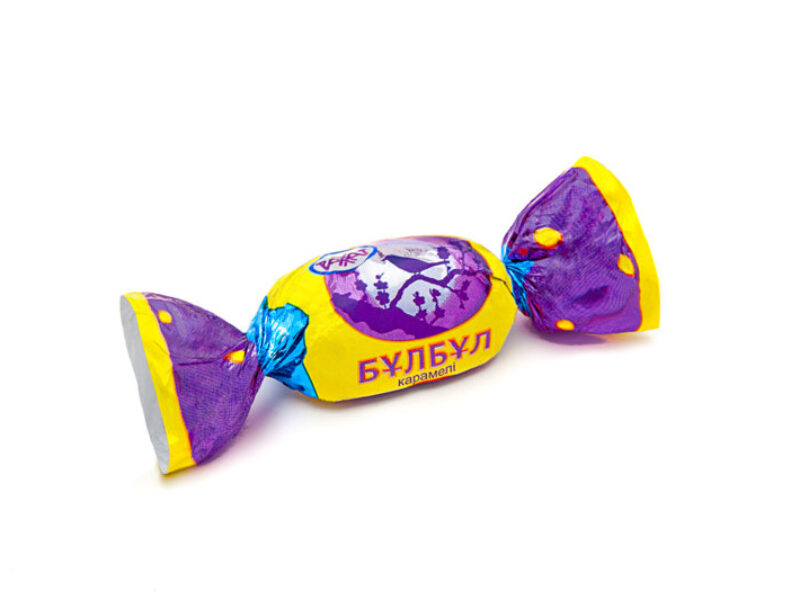
In the factory’s modern catalogue, one can still find Būlbūl sweets. However, the current product description defines them as ‘a delicate milk filling with a pleasant cocoa flavour enclosed within a pulled-caramel shell’.
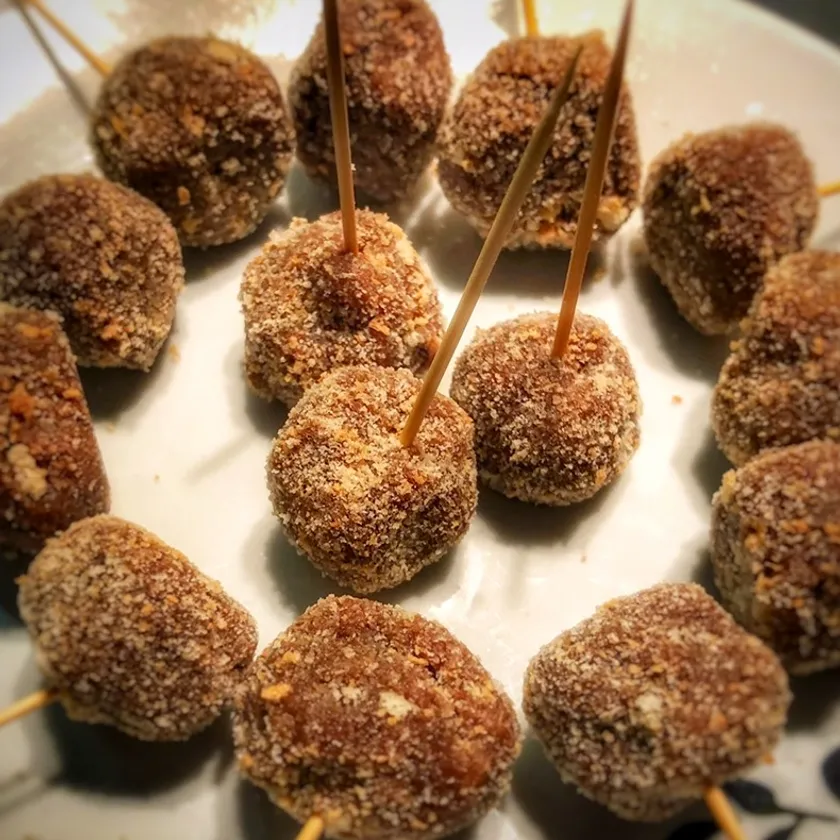
Yet something tells me that caramel was entirely absent from the contents of our vintage museum box. Just look at the original packaging: it features round, dusted sweets. They bear a far closer resemblance to traditional homemade chocolate truffle recipes. It would appear that over the decades, the recipe has evolved beyond all recognition.
Investigation 3: Why Does the Nightingale Stutter?
The nightingale proves to be an astonishingly cosmopolitan bird. Alongside the Kazakh būlbūl and Azerbaijani and Turkish bülbül, we find bulbul in Bengali (বুলবুল), Hindi (बुलबुल), and Urdu (بلبل), bulbuli (ბულბული) in Georgian—all of which ultimately descend from the Persian bolbol (بلبل). The Arabic term follows suit with bulbul (بُلْبُل), plural balābīl (بَلَابِل).
Yet if one digs down to the Proto-Indo-European root, things take a rather peculiar turn. The root *balbal- was originally onomatopoeic, signifying… gurgling, incoherent speech, or stuttering!
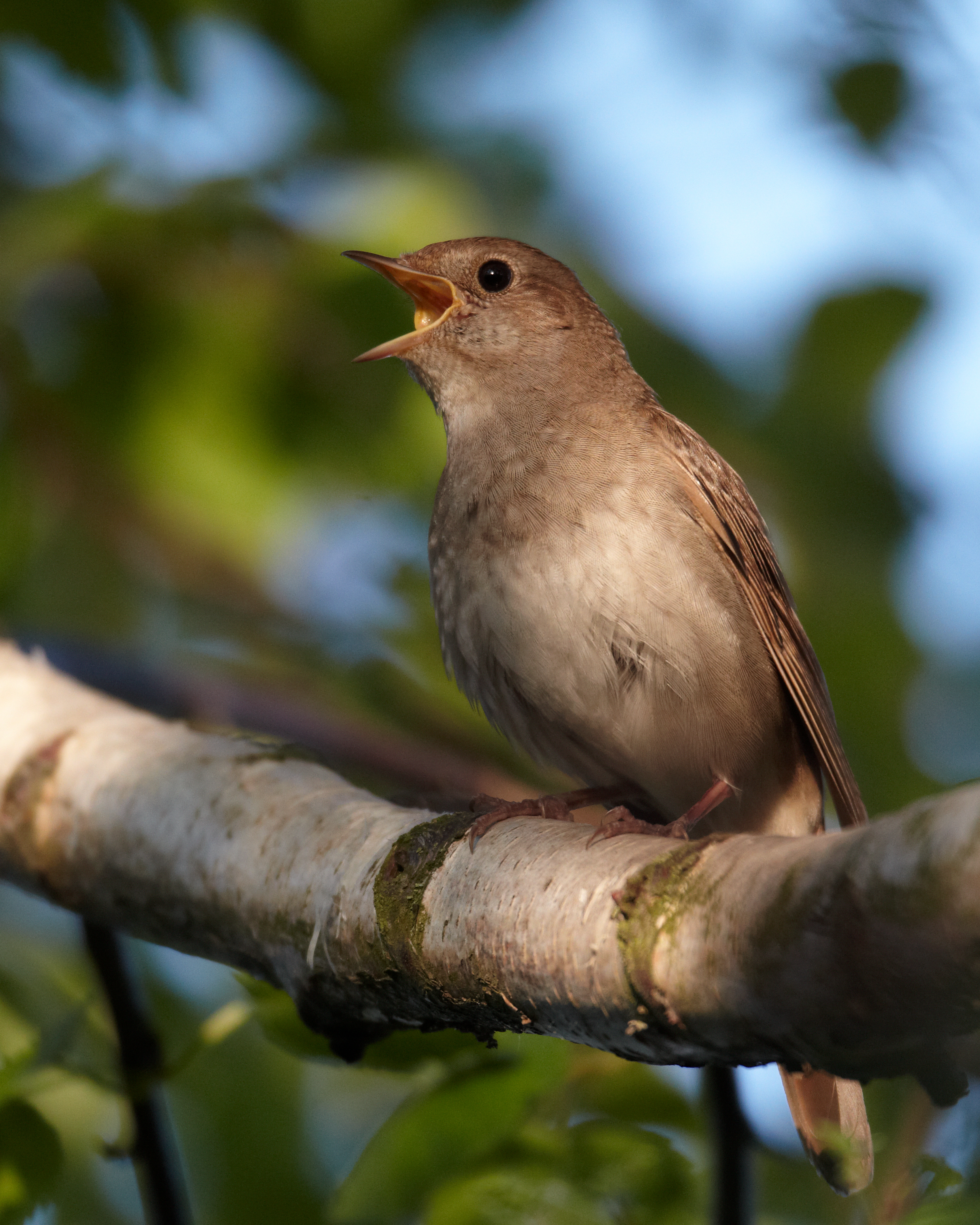
Have you ever listened to a nightingale in the wild?
Does it sound anything like a stutter? Well, let us say the jury is out on that particular verdict.
Curiously, Europeans historically showed scant romantic reverence for the bird’s vocal stylings either. The English nightingale and German Nachtigall translate literally as ‘night-crier’ (derived from the Proto-Indo-European *gʰel-, meaning to cry out or bawl—the very same root that gave English the word yell). Utterly devoid of romance!
By comparison, Slavic languages proved altogether more pragmatic. The Russian word for nightingale, solovey, completely ignores the bird’s vocal virtuosity, focusing entirely on its drab plumage. The Proto-Slavic *solvъ- denoted a yellowish-grey hue (reminiscent of a pale, flaxen horse coat). Slavs were rather fond of bestowing names based on colour: the hazel grouse (ryabchik) means speckled, the dove (golub) suggests bluish, and a rustic cow (buryonka) is brownish.
Thus it is that an ordinary old box of sweets can lead one into such delightfully dense linguistic thickets. As a wise observer once noted, one never quite knows what intellectual horizons await around the next corner!


