
Hannibal at the Gates
The victory over maritime Carthage was secured for the land-bound Romans by the plebeian consul Gaius Duilius, whose invention of the boarding bridge transformed naval engagements into familiar infantry skirmishes. This newfound confidence and martial spirit paved the way for the subjugation of Milan and the annexation of the Po Valley.
Having lost its islands, Carthage concentrated its efforts on consolidating its possessions on the Iberian Peninsula. South of the Ebro River, they forged a formidable military realm from the local Iberian tribes, which in 221 BC came under the command of the twenty-five-year-old Hannibal.
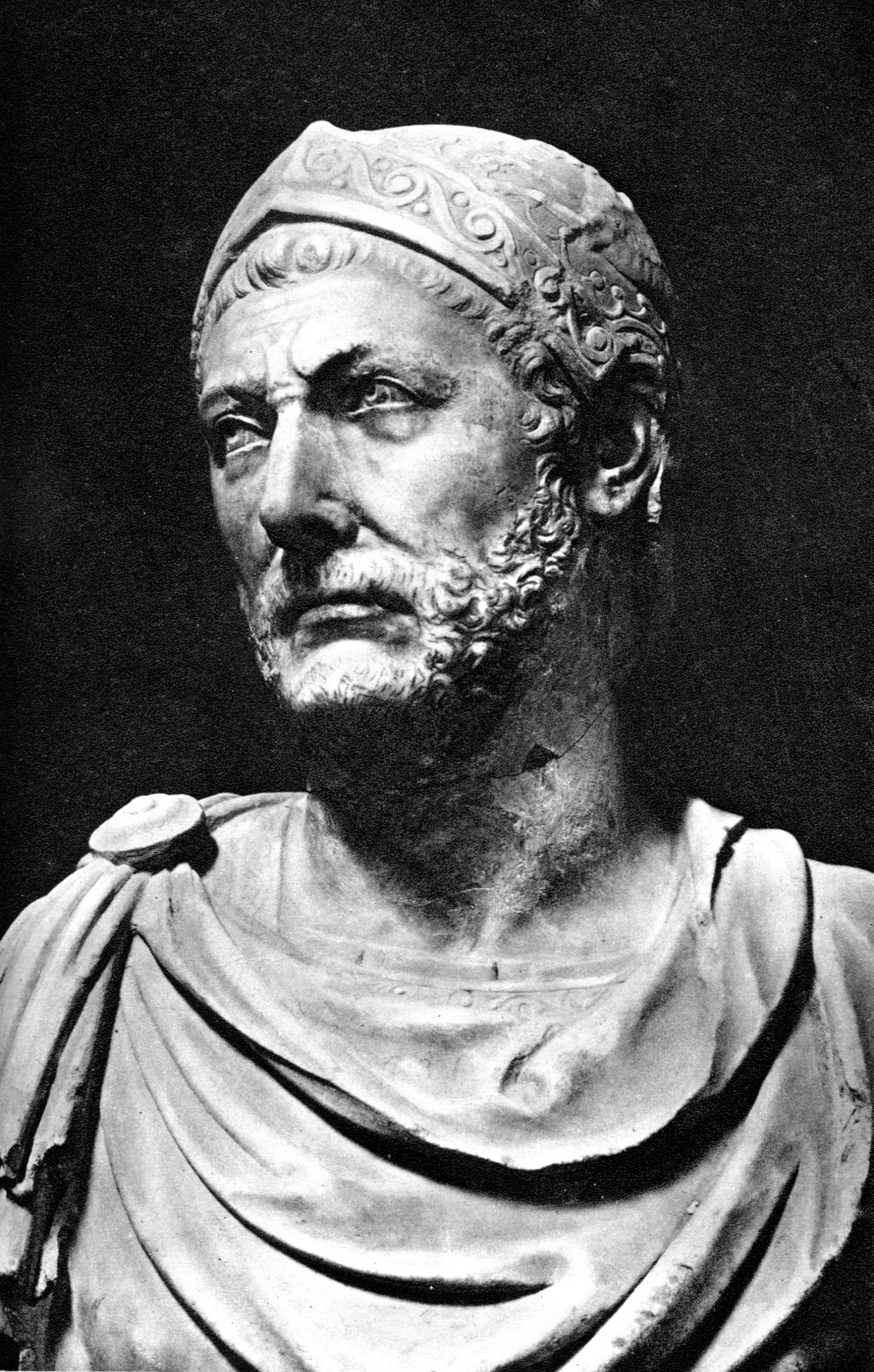
An Unprecedented march: From the Rhône to the Alps

Determined to strike at Rome by land since Carthage’s supremacy upon the waves had waned, Hannibal assembled fifty thousand infantry, nine thousand cavalry, and several dozen war elephants—surpassing the combined forces of three Roman consuls, which totaled roughly sixty thousand men—and set forth from Spain toward Italy.
At the cost of thirteen thousand lives, his army forced the Pyrenees, crossed the Rhône with virtually no losses, and—millennia before Count Suvorov—crossed the Alps (yes, complete with elephants), shedding half their numbers during the grueling fortnight-long passage. The crossing of the Apennines proved even more punishing, leaving him with a solitary surviving elephant.
The Fatal Winter Camp and the Finale at Zama
Hesitating to lay siege to Rome with a solitary pachyderm, Hannibal swept triumphantly down the Italian peninsula from north to south and wintered in Capua. That fateful winter sowed more rot and indiscipline within his ranks than any mountain crossing or pitched battle; afterward, he never secured another major victory.
Meanwhile, Rome mobilised a vast portion of its adult male population between the ages of seventeen and forty-seven, raising two hundred and thirty thousand men under its standards. While Hannibal lingered in Italy, the legions struck crippling blows against Carthaginian holdings in Spain, subdued its ally Macedonia, and ultimately carried the war directly into Africa, shattering the Carthaginians at the Battle of Zama (modern Zama, Tunisia).
Terms of Surrender and Ten Thousand Talents
As a consequence of its defeat in the Second Punic War (218–201 BC), Carthage was compelled to pay a war indemnity of ten thousand talents over the course of half a century (a talent being a unit of mass defined as the weight of water contained within a standard amphora, or one cubic Roman foot—roughly twenty-six litres—which, when evaluated as a monetary unit in gold, amounts by modern reckoning to over thirty billion dollars). Furthermore, Carthage forfeited all overseas territories, was forced to reduce its fleet to a paltry ten vessels, and was stripped of the right to wage war without the express consent of Rome, which now reigned supreme as the unrivaled power of the western Mediterranean.


